



Paleo Plan

Do You Need to Supplement Iodine?

This post is a little weird because I don’t yet know the answer to the question the title poses just yet. I just know that I’m in the process of figuring this out for myself, and it’s becoming very clear to me that most of us are probably iodine deficient.

Why Do We Care?
Let me back up, though. I have had terrible breast tenderness for the last 3 months. By terrible, I mean that for 2 entire weeks of every month my breasts grow at least a cup size and hurt so much that they can’t be touched, hugged, or moved in any way really. Well, I’m sick of looking disproportionate for half the month and being afraid to hug people, so I started researching. Of course I learned in nutrition school that iodine affects–to name a few–breast, uterine, prostate, skin, eye, and thyroid health, but I inconveniently forgot about that. So when I found online that supplementing with iodine could solve my problem, I thought I’d found the holy grail.

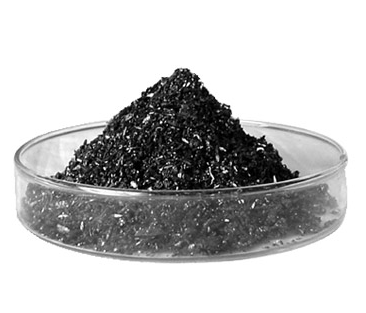
For a while I didn’t have this problem. I was breast pain free for about a year, but then it all of a sudden came back. What was different? My husband and I just remembered that for at least part of that year we were regularly putting dulse flakes on our food, and dulse contains quite a bit of iodine. In fact, all seaweeds or algaes boast an abundance of iodine. Sea foods and sea plants are by far the highest food sources of iodine, which is why we’re all so deficient. Japanese, Icelandic, even traditional Irish people eat lots of sea plants. Traditional Japanese food often starts with a broth that’s made with fermented tuna and kombu, a sea plant high in iodine.

Where Is It In Your Diet?
The only thing in my diet that boasts any amount of iodine now that I’m not eating dulse anymore are my pasture raised eggs. I don’t even eat iodized salt anymore, and you probably don’t either if you’re Paleo. Here’s a cool site that shows the amount of iodine in a bunch of foods so that you can see how much your own diet is lacking in this crucial mineral. The recommended intake of iodine per day is 100-150 mcg. Many researchers think this number is astronomically and negligently low.

A teaspoon of dulse flakes contains about 330 mcg. If you were to eat a few ounces of hijiki, another sea vegetable found in Japan, you’d be getting 47,000 mcg of iodine. That’s 47 mg. And that’s about how much some iodine experts would have you supplement with if they knew you were deficient. Guy Abraham is a leading expert in iodine deficiency and thyroid health in particular and this is an epic article he wrote on the topic. In it, he says that he gave his thyroid patients 50 mg of iodine/iodide solution a day and saw fantastic results. They were given those amounts on a whole nutrition plan that included other supplements as well. Dr. David Brownstein wrote a book called Iodine: Why you need it, why you can’t live without it. These guys are the iodine pushers.

Is It Dangerous to Supplement?
Then there are people who think that iodine supplementation could be dangerous, potentially bringing on an autoimmune thyroid response. Chris Kresser wrote an article about it here that resulted in a ton of backlash from readers who swear by iodine supplementation. I believe he’s softened his views on iodine supplementation, and now warns that selenium must be taken with iodine so as to mitigate any potentially negative effects. Mark Sisson also wrote a nice, digestible article on iodine here.

So where does that leave us? It leaves me continuing to research. I have a phone appointment with my trusted naturopath tomorrow to discuss his views on it. In the meantime I’m reading myself delirious on the subject and placing iodine solution on my inner arm every day trying to test for iodine deficiency. Rubbing iodine on your soft skin is a bare-bones and maybe not so reliable way of deducing whether your body is deficient: if it’s totally absorbed in less than 18-24 hours, you’re likely deficient. Mine’s been disappearing in 6 hours. I’m thinking of getting the more legitimate urine test done instead.

If I decide it’s safe, will I take iodine? Would I take a supplement for the rest of my life if it could possibly make my periods less agonizing, my energy levels even higher, my sleep even better, my skin, hair, and nails more beautiful, and my breasts less painful? Hell yes. I’ll let you know what I find out soon.

Anyone else have any experience with iodine?
 

19 Comments

  1. Based on the “What would Grok do?” or “eat whatever you could hunt and gather in a day” philosophy I find it highly unlikely that we evolved to require so much iodine every day. Couldn’t it be a case of something like caffeine, that yes, it gives you high energy and it may boost your fat burning, but is it healthy / natural? It’s definitely not primal

    • Anders Emil – I understand what you’re saying, but a lot of people who lived by the sea DID eat a lot more iodine in the food they gathered. And the soil was debatably higher in iodine, as well. I’m not sure Mark Sisson would agree with you when you say it’s “definitely not Primal.”

  2. Just a quick note to let you know the part 2 of this topic isn’t working. All of the links seem to point to example.com. :-)

  3. I am a naturopathic practitioner and many consider me an expert on the topic of iodine. It is through high doses of idoine that my life was saved from thyroid cancer. I am also the owner of the Yahoo Group – IODINE with over 6,500 members. It was under the direction of Dr. David Brownstein that I healed. He has thousands of patients that take Iodine / Potassium Iodide (Lugol’s Formula) in dosages way above the pathetic microgram recommendations.

    Before I begin – I need to point out that the other Iodine doctor is Dr Guy ABRAHAM not Abramsom. He is the doctor that created the Iodoral product and is the owner of Optimox. There are many Iodine doctors in the US as the successes are being shown the more it is used and lectured on. It is not limited to just these doctors – more can be viewed on the Breast Cancer Choices website.

    It is not appropriate to look at what historically our ancestors would have consumed. They were not exposed to the toxic halides that we are bombarded with daily. Take the biggest assault – Bromide. It is in our carpets, cars, electronics, mattresses, clothing, food and more. Taking 50 mgs may just keep you even with what your entire body needs along with fighting off this halide. There are many components that would determine an appropriate dose but we do know that micrograms are not appropriate. Chloride and Fluoride are also combated by iodine / iodide ingestion.

    Iodine is also instrumental in apoptosis. When cells are damaged then the body needs iodine to activate the elimination system. Without iodine the killing off of these “bad” cells does not occur allowing them to continue to multiply.

    As for Iodine in high doses causing autoimmune conditions, consider this. Why is it that as iodine has diminished to almost undetectable levels in our US soils – and globally – that autoimmune conditions have increased? I have a family member that was diagnosed with Hashimotos. When given 37.5 mgs of Iodoral and the supporting nutrients no change occurred. But when given 50 mgs Iodoral and the supporting nutrients then the antibodies were eliminated. If iodine caused AIT then the opposite should have occurred.

    Iodine is also beneficial for breast issues. Another person I have worked with had a thermography reading of TH4. She was on 50 mgs of Iodoral. She increased her Iodoral to 75 mgs along with detoxing the liver and her thermography went to a TH1 in 6 mos.

    So it may not be primal but we are not dealing with primal terrain. Please take the time to read Dr David Brownstein’s book “Iodine Why You Need It, Why You Can’t Live Without It”. It will explain in detail why it is so important.

    • Stephanie – Thanks for writing. I’ve read some of your comments on Chris Kresser’s blog (I believe) so it’s a treat to hear from you here. And thanks for correcting me about Dr. Abraham’s name – I don’t know why I did that, but I corrected it. Here’s the conclusion I’ve come to about all this: whether or not one should supplement iodine depends on the person. I started putting iodine on my arm once a day or once every other day because I was hesitant to supplement it orally. I wanted to see if it would improve my symptoms. I just started doing that a couple weeks ago. Then I went into my naturopath, who said he tested 55 people with Abraham’s(?) urine iodine test and they all came back deficient (oddly enough, their results all came back almost identical). He had me do the blood iodine test and my results were high. I had too much iodine in my body and he thinks it was because of the iodine applications to my skin. My TSH had also increased from 2.3 to 6.4, which it has NEVER been before. It’s never been higher than 3, so that was very alarming to me and he thought it might have had something to do with my temporary use of iodine.

      Anyway, I don’t know if that’s the case, but I do know that my symptoms are likely not being caused by an iodine deficiency judging by the battery of test results he presented to me today, and if I’d continued down the path of supplementing iodine, I don’t know where I would’ve ended up. I think there are probably many people out there who are blindly taking iodine who shouldn’t be – whose problems stem from somewhere else. So while I agree that some people need iodine, and it can genuinely heal them, it’s not for everyone and people need to work with practitioners when they’re playing with powerful supplements like this one. Do you agree?

  4. I had the very same excruciating issues… For me the answer was acupuncture… Often a hormone imbalance is to blame. We try to eat lots of seaweed regardless!

  5. brian murdock

    Dr. Donald Miller wrote a great piece on iodine at lew rockwell site.

    http://www.lewrockwell.com/miller/miller20.html

    brian

  6. the best iodine to take is iodoral. it has both potassium iodide, and elemental iodine. your thyroid has receptors for potassium iodide, and breasts, ovaries and prostate, among other places have receptors for elemental iodine. you should also supplement yourself with chloride, found in celtic sea salt because the above mentioned places also have receptors for chloride (which cannot be found in regular table salt due to refinement). two elements that are in the same family but have no business being in our food and water supply are fluoride, and bromine. when iodine is deficient and fluoride and bromine are in supply they will attach to these receptors. when starting iodoral you may want to start very slowly, maybe with 1/4 to 1/2 a pill. the reason being that chloride and iodine will release these toxins and you may experience symptoms. iodine deficiency is linked to breast cancer, prostate and ovary cancer. it is such an important supplement.
    for more information see dr. brownstone dot com. he specializes in this and many other holistic health approaches.

  7. been on iodoral for 3 weeks now. went from needing to use my walker to walking my dog 1 mile three times a day. energy is amazing. it’s like i am metabolizing my food into energy for the first time in over 8 years. i just can’t explain it. everything has been “turned on”. night vision improved, energy fantastic, brain fog gone, skin looking better, hair no longer falling out…and the list goes on and on….

  8. Want to know what REALLY CURES premenstrual breast tenderness, aching back and mentrual cramping? RAW BROWN ALMONDS. Yep. That’s right. Found this out by accident and everyone I tell who actually gives it a go says it greatly diminishes their symptoms. Most of the time I don’t know my periods are here until my underwear feels wet.

    So how much do you need? One packet a month. Or if you get it super bad, two packets. Eat some everyday. Best results will be noticed if you start doing this while you have your current period so you have a whole month of almond intake. Sounds too simple to be true doesn’t it? Well, it is true. Trust me. Just try it for two months and find out for yourself.

  9. Forgot to say, the packet size is a smallish one. About 200 grams or 7 ounces.

  10. Neely, Check out http://ods.od.nih.gov/factsheets/Iodine-HealthProfessional/ , especially the section on “Health Risks from Excessive Iodine. They write “High intakes of iodine can cause some of the same symptoms as iodine deficiency—including goiter, elevated TSH levels, and hypothyroidism—because excess iodine in susceptible individuals inhibits thyroid hormone synthesis and thereby increases TSH stimulation, which can produce goiter . Iodine-induced hyperthyroidism can also result from high iodine intakes, usually when iodine is administered to treat iodine deficiency. Studies have also shown that excessive iodine intakes cause thyroiditis and thyroid papillary cancer. Cases of acute iodine poisoning are rare and are usually caused by doses of many grams. Acute poisoning symptoms include burning of the mouth, throat, and stomach; fever; abdominal pain; nausea; vomiting; diarrhea; weak pulse; and coma.” That might explain the high TSH values you saw when you were supplementing with iodine.

  11. The breast tenderness is caused by too much estrogen. Unfortunately, the culprits are phytoestrogens and xenoestrogens. If you are a label reader you understand that soy, flax, and sesame seeds are in nearly everything these days and all of those are strong phytoestrogens. Also BPA and BPB are everywhere. My breast tenderness only disappeared when I finally balanced my hormones by taking progesterone cream (on top of breast tissue), armor thyroid, and monthly IM testosterone. I finally felt warm, had energy, lost weight, got rid of breast pain, and most of all got rid of the PMS that I had suffered with most of my adult life.

  12. Here’s my email again. Thanks!

    • Neely Quinn

      Martha – Can you please be more specific about what you’d like from me?

  13. I have been told that I may be iodine deficient and that I have some sort of thyroid problems.

    Thanks1

  14. The iodine you put on yourself is not a reliable test Dr Brownstone says. It’s also the wrong kind of iodine if its the kind used for disinfecting. You should go back & be tested again after all that is out of your system. You may be deficient when all that is out of your system. Just a thought.

  15. What is the proper way to test for iodine deficiency?

Leave a Comment